
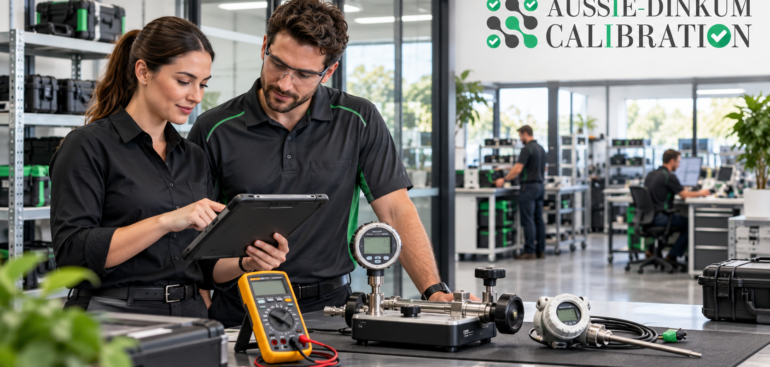
Calibration services in Sydney help businesses assess the measurement performance of equipment used in manufacturing, maintenance, testing and other technical operations.
However, business expansion can make equipment control more complicated. Additional instruments, new employees, longer operating hours and multiple locations create more calibration records and scheduling requirements.
Aussie Dinkum Calibration can be contacted to discuss calibration requirements as your equipment inventory grows. Preparing a clear equipment management plan helps your business identify what needs calibration, coordinate bookings and review results before instruments return to use.
Why Does Business Expansion Affect Calibration Management?
A calibration system that works for a small workshop may become difficult to manage when the business adds another location or introduces additional production equipment.
Instruments may move between departments, different employees may arrange servicing, and equipment usage may increase without a corresponding review of calibration schedules.
These changes can create gaps in equipment identification, recordkeeping and responsibility.
A Structured Calibration Plan Helps Businesses:
- Identify equipment across different locations.
• Track calibration dates and equipment status.
• Schedule servicing around operational requirements.
• Define the measurement requirements for new instruments.
• Maintain accessible calibration records.
• Assign responsibility for equipment management.
• Investigate instruments with unexpected results.
• Plan suitable replacement or backup equipment.
The aim is to expand equipment control alongside the business, rather than waiting until missed bookings or missing records disrupt operations.
1. Update Your Equipment Register Before Expanding
Start by reviewing the instruments already used throughout the business.
A growing organisation may have equipment in workshops, laboratories, storage areas, vehicles and customer sites. Instruments kept as spares or used occasionally can be overlooked.
Create a central register that gives each relevant instrument a clear identity.
Information to Record:
- Equipment description.
• Manufacturer and model.
• Serial number.
• Unique internal asset number.
• Current location.
• Responsible department or employee.
• Intended measurement application.
• Required measurement ranges.
• Calibration certificate reference.
• Last calibration date.
• Next calibration due date, where applicable.
• Current equipment status.
Avoid identifying instruments only by descriptions such as “workshop multimeter” or “pressure gauge.” Similar equipment becomes harder to distinguish as the inventory grows.
2. Define Calibration Requirements for New Equipment
Purchasing additional instruments does not automatically establish that they are suitable for your measurement tasks.
Before introducing equipment into service, review its specifications, supplied documentation and intended use.
A supplier’s inspection sheet or general statement of conformity may not provide the measurement results needed for your application.
Details to Confirm:
- What the instrument will measure.
• The operating ranges normally used.
• The accuracy required for the task.
• Relevant acceptance limits.
• Calibration points needed.
• Accessories included in the measurement setup.
• Available calibration documentation.
• Any customer or contractual requirements.
• Whether additional calibration is needed before use.
For example, an instrument purchased for a new production line may operate over a different range from an otherwise similar instrument already used in the business.
Define its calibration requirements according to the new application.
3. Assign Clear Responsibility Across Departments
Expansion often introduces more people into the equipment management process.
Without clear responsibilities, one employee may assume that another department has booked calibration or reviewed a certificate.
Assign both an overall coordinator and appropriate local contacts.
Responsibilities to Allocate:
- Maintaining the equipment register.
• Monitoring approaching due dates.
• Confirming calibration requirements.
• Obtaining quotations and arranging bookings.
• Preparing equipment for dispatch.
• Recording equipment movements.
• Reviewing returned certificates.
• Authorising equipment for use.
• Managing unsuitable or overdue instruments.
• Updating records after repairs or replacement.
For businesses operating across several Sydney locations, local contacts can help locate instruments while a central coordinator maintains consistent records.
4. Review Calibration Intervals When Equipment Use Changes
Business growth may increase how frequently an instrument is used or expose it to different operating conditions.
An instrument previously used occasionally might become part of daily production. Another may move from a controlled workshop to regular field use.
These changes should trigger a review of its calibration arrangements.
NATA guidance identifies usage frequency, required accuracy, historical stability and measurement traceability needs as relevant considerations when establishing an equipment assurance programme. nata.com.au
Factors to Review:
- Manufacturer recommendations.
• Previous calibration results.
• Frequency and intensity of use.
• Handling and transport conditions.
• Operating environment.
• Repairs, damage or adjustments.
• Results from suitable intermediate checks.
• Consequences of an incorrect measurement.
• Applicable customer or regulatory requirements.
Do not automatically apply one interval to every instrument. Record the basis for scheduling decisions and review it when conditions change.
5. Coordinate Calibration With Production and Service Schedules
Sending several essential instruments for calibration at the same time can interrupt operations.
As your business grows, calibration planning should account for production deadlines, maintenance shutdowns, field assignments and equipment availability.
Scheduling Options to Consider:
- Staggering calibration bookings.
• Grouping suitable equipment by department.
• Using planned maintenance periods.
• Reserving suitable backup instruments.
• Arranging bookings before major projects.
• Allowing time for transport and certificate review.
• Planning for unexpected repairs or additional work.
• Discussing service capacity with the provider.
A due date should not be the first point at which the business considers equipment availability.
Set reminders early enough to arrange the service and respond to delays.
6. Assess Onsite and Laboratory Calibration Options
An expanding equipment inventory may include both portable instruments and equipment that is difficult to remove.
Discuss the available service arrangements with the calibration provider before deciding how each item will be managed.
Onsite Calibration Considerations
Where available and technically suitable, onsite calibration may help with equipment that is fixed in place or difficult to transport.
However, access, operating conditions and the required calibration method need to be considered.
Laboratory Calibration Considerations
Laboratory calibration may be appropriate where the required service needs particular reference equipment, controlled conditions or facilities.
Transport arrangements and instrument availability should be included in the schedule.
Questions to Ask:
- Can the required calibration be completed onsite?
• Which functions and ranges can be covered?
• What environmental conditions are needed?
• Does the equipment need to be disconnected?
• What access or preparation is required?
• Which items must be sent to a laboratory?
• What reporting will be supplied?
• How will unexpected findings be communicated?
Confirm suitability for each instrument rather than assuming that one arrangement covers the entire inventory.
7. Maintain Consistent Records Across Multiple Locations
Opening another branch or workshop can create separate spreadsheets, email folders and paper records.
This makes it harder to confirm which certificate belongs to an instrument or whether equipment is approved for use.
Use a shared recordkeeping system with appropriate access and clearly assigned responsibility.
Records to Keep Together:
- Equipment identification details.
• Calibration certificates.
• Agreed calibration scope.
• Acceptance requirements.
• Repair and adjustment history.
• Intermediate check results.
• Location and transfer records.
• Equipment restrictions.
• Certificate review decisions.
• Scheduling changes and their reasons.
A spreadsheet may remain suitable for a smaller inventory if it is controlled and maintained consistently. Larger operations may benefit from equipment management software with reminders and an audit history.
Choose a system that staff can reliably use.
8. Control Equipment Transfers Between Sites
Equipment movement becomes more common when a business adds locations or service teams.
An instrument may be borrowed for a project and remain at another site without the register being updated.
Introduce a simple transfer process that follows the equipment.
Record the Following:
- Asset number and serial number.
• Sending and receiving locations.
• Date of transfer.
• Responsible employees.
• Current calibration status.
• Accessories supplied.
• Condition before dispatch.
• Required transport precautions.
• Expected return date, where relevant.
At the receiving location, check the instrument’s identity, condition and suitability before use.
If equipment is damaged during transport or begins producing unexpected readings, arrange an appropriate assessment rather than relying only on its existing calibration label.
A Practical Calibration Expansion Checklist
| Review item | What to check |
| Equipment inventory | Existing, new, spare and transferred instruments |
| Identification | Unique asset numbers and matching serial numbers |
| Intended use | Measurement tasks, operating ranges and required accuracy |
| Calibration scope | Required functions, points and accessories |
| Responsibility | Central coordinator and local equipment contacts |
| Scheduling | Due dates, booking lead times and operational demands |
| Backup equipment | Suitability and current status of replacement instruments |
| Service arrangements | Onsite or laboratory suitability for each item |
| Records | Certificates, repairs, checks and review decisions |
| Equipment transfers | Location, condition and custody records |
| Unexpected results | Process for restricting use and investigating impact |
| Staff training | Instructions for identification, handling and reporting |
Hypothetical Example: Expanding From One Sydney Workshop to Two
A Sydney maintenance business opens a second workshop and purchases additional multimeters, pressure gauges and temperature instruments.
Initially, both workshops maintain separate equipment lists. Staff also transfer instruments between locations when workloads increase.
The business discovers that some equipment locations are incorrect and several calibration bookings are approaching at the same time.
Example Improvement Plan:
- Inventory review: Both workshops check their equipment against a shared register.
• Identification: Every relevant instrument receives a unique asset number.
• Application review: Each department records the ranges and functions it uses.
• Scheduling: Bookings are staggered to maintain suitable equipment availability.
• Responsibility: One coordinator manages bookings with a contact at each workshop.
• Transfers: Staff record equipment movements between sites.
• Certificate review: Returned results are assessed before instruments are released.
• Follow-up: The business reviews the system after the new workshop becomes established.
This example is illustrative. The appropriate arrangements depend on equipment types, measurement requirements and operational needs.
How to Prepare for Calibration Services in Sydney During Expansion
Preparing a consolidated equipment list helps the provider understand the size and timing of the work required.
Contact the provider before the expansion creates urgent demand.
Suggested Preparation Steps:
- Identify the Equipment: Record existing instruments and planned purchases.
- Describe the Applications: Explain the measurements performed and the ranges used.
- Set Priorities: Identify equipment essential to production, testing or service delivery.
- Define the Scope: Confirm required functions, calibration points and accessories.
- Discuss Service Arrangements: Establish which items require laboratory work and whether onsite service is suitable.
- Plan Availability: Coordinate bookings with operational schedules and backup equipment.
- Confirm Reporting Requirements: Discuss results, uncertainty and any required conformity statements.
- Allocate Review Responsibility: Identify who will assess certificates and authorise equipment for use.
Provide updated information when equipment quantities, locations or project dates change.
Review Calibration Reports Before Returning Equipment to Use
A returned instrument should not automatically be placed back into service because it has a new calibration label.
Check that the report matches the equipment and the service requested.
Calibration documentation provides measurement results and associated information such as uncertainty and traceability. Its relevance must be assessed against the intended application. NATA
Check the Following:
- Manufacturer, model and serial number.
• Internal asset identification, where recorded.
• Calibration date.
• Functions, ranges and points assessed.
• Reported results and measurement uncertainty.
• Applicable acceptance criteria.
• Any conformity statement and decision rule.
• Adjustments or repairs completed.
• Comments, exclusions or limitations.
• Suitability for the intended measurement task.
Resolve missing or unclear information before approving the instrument for use.
Manage Equipment With Unexpected Calibration Results
An expanding business needs a consistent process for instruments found outside the required limits.
Restrict use of affected equipment while an appropriate person reviews the findings.
<h3>Actions to Consider:</h3>
- Confirm the instrument’s identity.
• Identify the affected functions or ranges.
• Review results recorded before adjustment, where available.
• Determine which activities used the equipment.
• Assess whether earlier measurement decisions may have been affected.
• Arrange repair, adjustment or replacement as appropriate.
• Confirm suitability before returning the instrument to service.
• Document the investigation and resulting actions.
The extent of the review should reflect the measurement error, the application and the consequences of an incorrect result.
Common Mistakes to Avoid
Buying Equipment Without Defining Measurement Requirements
Review the required range, accuracy and documentation before purchasing additional instruments.
Using Separate Registers Without Coordination
Maintain a controlled record that provides visibility across departments and locations.
Applying the Same Calibration Interval to Everything
Base scheduling decisions on equipment requirements, history, use and applicable obligations.
Booking All Essential Instruments Together
Stagger servicing or arrange suitable alternatives to reduce operational disruption.
Assuming Calibration Covers Every Function
Confirm that the agreed scope includes the measurements needed for the application.
Moving Equipment Without Updating Records
Record transfers so staff can locate instruments and verify their status.
Treating Calibration as Repair or Adjustment
Confirm whether repair or adjustment is included. Calibration alone does not necessarily involve either activity.
Filing Certificates Without Reviewing Them
Assign a competent person to assess results and record the decision about continued use.
Working With Aussie Dinkum Calibration in Sydney
Aussie Dinkum Calibration lists calibration services for Sydney. Businesses planning an expansion can discuss their equipment inventory, measurement requirements and proposed booking schedule with the provider. Accurate & Fast Repairs
Preparing this information helps clarify the requested service and identify requirements that need further discussion.
Information to Discuss With the Calibration Provider:
- Number and types of instruments.
• Manufacturer, model and serial numbers.
• Current and planned equipment locations.
• Intended measurement applications.
• Required functions and operating ranges.
• Relevant acceptance requirements.
• Accessories requiring assessment.
• Preferred booking periods.
• Onsite or laboratory service requirements.
• Required certificate and accreditation details.
• Arrangements for communicating unexpected results.
• Approval requirements for additional work.
Confirm the available service, relevant scope, turnaround arrangements and reporting before booking.
Final Thoughts
Calibration services in Sydney should form part of your business expansion planning whenever growth introduces additional measuring equipment, locations or operating demands.
Maintain an accurate equipment register, define calibration requirements and assign clear responsibilities. Coordinate bookings with operations and review results before returning instruments to use.
Discussing your changing requirements with Aussie Dinkum Calibration can help you prepare a calibration service plan suited to your growing equipment inventory.